"I Am Not Your Negro" is an Oscar-nominated documentary written by James Baldwin and directed by Raoul Peck. This film delves into the institutional racism that is still prevalent in today's society using Bladwin's book "Remember the House" and film pieces from when he was a guest on talk shows. It is impossible to discuss all of the points made and topics brought up in this documentary so I am going to pick three quotes/ ideas that stuck out to me the most throughout this film. First I would like to say that I found this so overwhelming that I had to "sleep on it" before writing this blog post to try and collect my thoughts to attempt a cohesive blog post.
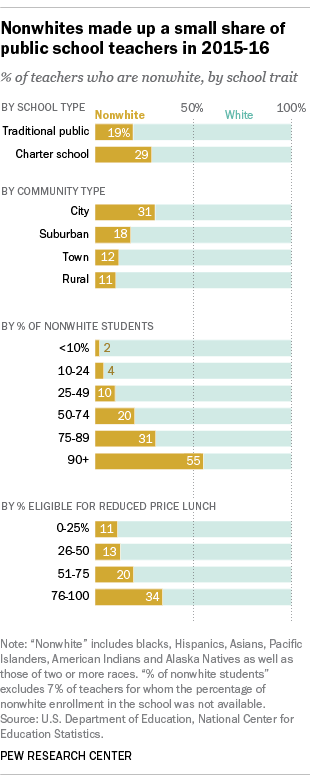
In the beginning of the film Baldwin explains that "In these days, no one resembling my father has yet made an appearance on the American cinema scene... No, thats not entirely true....It seemed to me that they lied about the world I knew, and debased it, and certainly I did not know anybody like them." (13:22). There was, and still is, a disproportionate relationship between the number of minorities in certain roles and the population of those minorities in this country. And even when they are represented they are with biases (but thats a whole different issue). The teaching profession is one in which this disproportionate relationship is very evident. Even though Baldwin had a white teacher, Bill Miller, who had a positive impact on his life and is the reason he "never really managed to hate white people", it still brings forward the reality that America's teachers are far less culturally and ethnically diverse than their students. While the number of minorities choosing this profession is increasing it does not even come close to mirroring the student population. How is this affecting the minority students? Why are there not as many minorities going into the teacher profession? How can we change that?
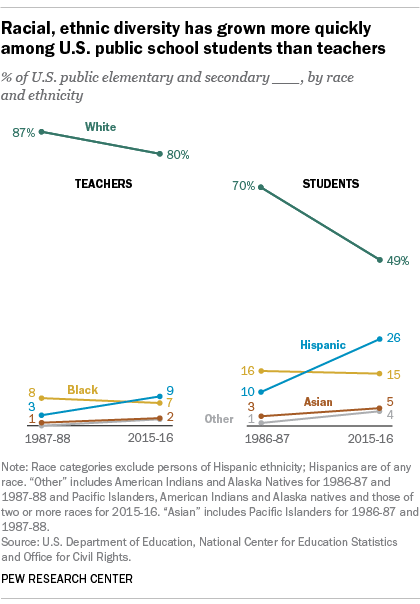
This chart to the left reminds me of the research concluded about the percentage of minorities in jails and prisons around the country. When looking at the charts for the Prison Policy Initiative especially the chart depicting the racial and ethnic disparities in prisons and jails in Rhode Island you are able to see the glaring differences.
Why are these percentages never proportionate or in favor of minorities?
Some of these differences can be attributed to the racism still in this country, specifically from white people. " I began to suspect that white people did not act as they did because they were white, but for some other reason" (12:38). If it not for race then why? Baldwin shares a little in this quote here.
"It is impossible to accept the premise of the story, a premise based on the profound American understanding of the nature of the hatred between black and white. That time is now. The root of the black man's hatred it rage, and he does not so much hate white men as simply wants them out of his way, and more than that, out of his children's way. The root of the white man's hatred is terror. A bottomless and nameless terror which focuses on this dread figure, an entity which lives only in his mind" (48:05)Why are white people so afraid of African Americans? They want justice. They want the same opportunities given to them as are given to white people. Irrational fears of white America help drive the divide in equality. When will a sincere change happen in this country?
Sincerity is said to be an American virtue - people can say "I'm sorry" but what does it mean to really be sorry. "The tragedy is that most of the people who say they care about it do not care. What they care about is their safety and their profits" (1:20:50). Sincerity in acknowledging the injustices and for be an activist for positive change in this country is going to be an ongoing battle. Through admission to where we are, education on history and how to help, and action we can fight for the change that is needed.
"Not everything that is faced can be changed, but nothing can be changed until it is faced" (1:25:56)
We do not need equality in this society, we need justice. People have been fighting the same fight for justice for an absorbent amount of time, from the Civil Rights Movement to Black Lives Matter yet how much change has happened? Why are people still needing to fight for this? We need each person, no matter any identifying characteristics, to have equal opportunity. So many things are broken so it again brings me back to a question I have previously asked, where do we start? Where do we go from here?
"The future of the Negro in this country is precisely as bright or as dark as the future of the country. It is entirely up to the American people and not representatives. It is entirely up to the American people whether or not they are going to face and deal with and embrace the stranger they have maligned so long" (1:28:13)
I feel like this post has more questions than answers but I strive to educate myself a little more each day to help positive change happen.

Haley--I love the cartoon of the giving tree. My sister shared it with me last week and I thought it was so applicaple to our discussions in this class. I hoped to post it too, but I have always found so many other things to talk about that I haven't used it. Thanks for sharing it with the class. To me it seems like we are seeing many "trees" or systems that are biased and I feel like the cry in our country and in this class is to get rid of the system. Looking at the drawing, one thing I've thought about is--If the tree was crooked and only feedIing one person, why wasn't it cut down? It was unfair and clearly biased. When do we keep working with the "trees" around us and when do they need to be cut down?
ReplyDeleteHi Haley,
ReplyDeleteThank you for highlighting the disparities that persist between educators and students. There is no doubt that teachers in urban schools are less diverse than their students. So long as this disparity exists, we as educators need to be more culturally receptive and try to bring culturally relevant pedagogy into our classrooms and practices.
Haily,
ReplyDeleteI love your cartoon for Inequity, Equality, Equity and justice. I want to hang this in my office.
Hi Haley,
ReplyDeleteI also love the picture of Inequity, Equality, Equity and justice. It really helps to put things in perspective and helps to people to understand.
This is Amanda ( in case it posts from my son's Google account.
Thanks for the thoughtful post and the helpful cartoon (such great teaching tools!). You hit on something really important here -- that white people are afraid of African American people. Why is that? How does it work? Where do these fear-inspiring messages come from, and what are the impacts on African American people? How do white people benefit from this fear? So many questions.
ReplyDelete